
The temptation to compete on cost alone can be hard to resist. We’ve all felt it, but chasing the lowest number can be unsustainable and short-sighted. The strongest sales tactics don’t necessarily start with price. Giving airtime to trust and solving real problems is one of the top ways to drive long-term success, customer retention, and growth.
If your pitch hangs entirely on price, you’re potentially just one price drop away from losing the deal. Worse still, you might be setting yourself up for difficult conversations down the line when margins squeeze or expectations change.
So what does it mean to ‘sell on what matters’? Essentially, it means you’ve got to get an understanding of what really motivates your customer, and use that to build trust through strong customer service, and make sure your professionals focus on outcomes rather than discounts
Figure Out What’s the Why Behind the Buy
Every customer has a reason. They’re trying to use your product or service to solve a problem, free up time, reduce risk, and grow. Price might be one of the factors in their decision, but it’s not going to be the only thing at play.
This is where too many salespeople slip up.
They jump straight to numbers without asking the right questions. Get curious. Ask about challenges, timelines, frustrations, and goals. That’s all the information that you can use to shape a pitch that makes sense to them. If you’re not tapping into customer motivation, you’re missing half the sale. Focus on what they’re trying to actually achieve, not the thing they’re potentially buying, which brings us on to the next sales tactic.
Sell the Outcome, Not the Product
Customers want to know what life will look like after they’ve completed the transaction. Will they work faster? Sleep easier? Impress their clients? Retain more staff? Grow?
Make that the focus. The best sales tactics morph the features of what you offer into the benefits a customer can expect, then finally into outcomes. So, say you’re selling software that automates reporting. Don’t stop at “it saves time.” Paint the picture: “You’ll save two days a month in admin, so you can focus on growth.”
Selling outcomes makes price less of a sticking point, too. It shifts the conversation from cost to value. Those two admin days you save might not have been factored into their original decision, and it deflects away from a blunt instrument like a price point.

Build Value Through Customer Service
Strong customer service is one of your biggest differentiators. It’s also a powerful selling point when used well. The experience of working with you should be one of your USPs. But for that to work, you’ve got to show them what that looks like. Share case studies. Talk about response times. Let them know you’ll be there after the invoice is paid. This isn’t fluff, it’s reassurance. The market’s crowded, and reliability is priceless. When buyers feel confident in your support, they’re far less likely to haggle over the final figure.
Shift the Focus from Price to Cost
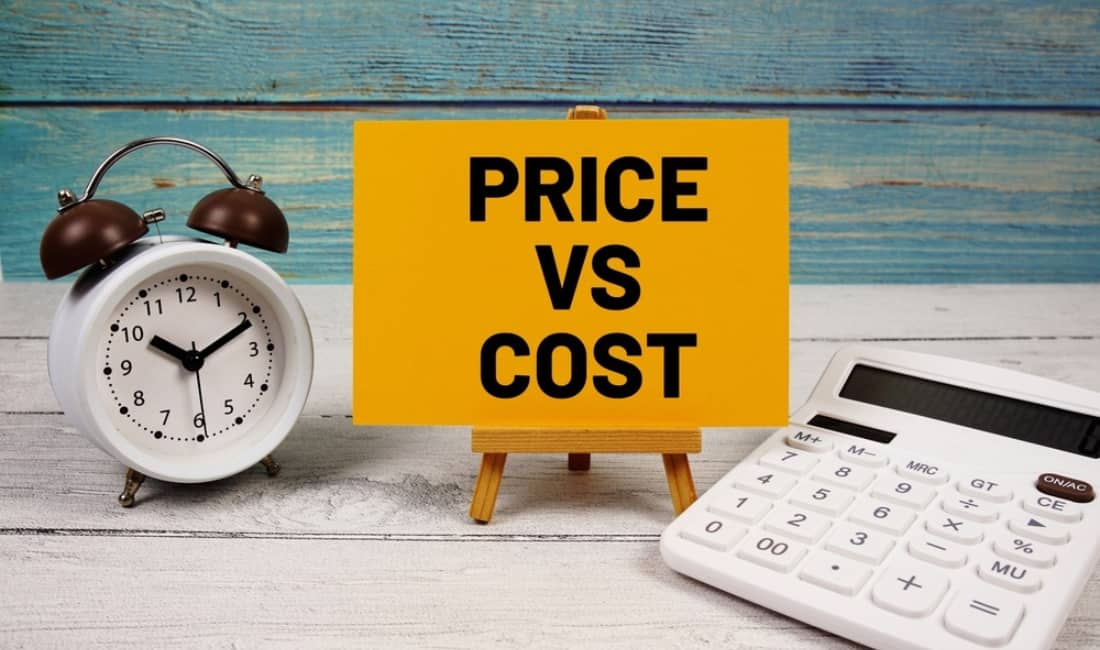
There’s a difference between price and cost. A good mantra is that price is what you pay today, but cost is what you live with tomorrow. That cheaper option might break sooner, need replacing, or come with spiky hidden fees.
Smart customers know this, so help them compare the real cost over time, not just the headline figure. If your offer saves them time, hassle, or risk over 12 months, make that value crystal clear.
Use Social Proof to Strengthen Your Case
Testimonials, reviews, and referrals all matter and carry big weight. People want proof that your promises hold water. They want to know others have had success with you, especially in tricky situations. We’re wired to trust stories. Use them. Show how your team has helped others achieve results, overcome challenges, or improve performance.
Avoid the Discount Trap
Offering a discount might win the deal, but it also sets a dangerous precedent. Once you’ve lowered the price, it’s hard to put it back. What’s even more problematic is that it suggests your original price wasn’t justified. If you can come down, why wasn’t your final offer your original price?
That’s not to say there’s never a time to compromise; any sales professional will tell you that being prepared to negotiate is key, but are there other areas you can be flexible in? Maybe you could offer an extra perk or a warranty, or upgrade a customer to a more premium model or package. This helps to convey value without pivoting the deal around a number.
And if the deal really does hinge on price, ask yourself: is it worth it?
Want to Supercharge Your Customer Retention?
At Bluestar Business Finance, we know that real sales success doesn’t come from slashing prices; it comes from adding value. So if you’re investing in new equipment, expanding your team, or simply trying to free up cash flow, we offer flexible finance solutions that support your growth without compromise.
We help you to get hold of the tools you need to sell on value with access to leasing, hire purchase, and loan options tailored to your goals. If you want to offer funding to customers without haggling over discounts, or if you’re looking to strengthen your own buying power, we’re here to help.
View our full range of business finance solutions today, or get in touch today for a no-pressure chat.
FAQ
How can I handle objections without lowering the price?
Focus on understanding the objection first. Then reframe your value in terms of outcome, reliability, or long-term cost savings.
What if the competitor really is cheaper?
Acknowledge it, then explain the difference in support, results, or flexibility. Cheap isn’t always better; it’s just cheaper.
How do I know what really motivates my customer?
It might be time to reframe your questions. What are their goals? What are they worried about? What would make them look good in their role? That’s where the gold is.
Can value selling work in competitive industries?
Absolutely. In fact, it’s where it matters most. When everyone’s offering something similar, your ability to build trust and solve problems sets you apart.